7
How to Stretch Your SNAP Benefits
7 Ways to Stretch Your SNAP Food Benefits
With rising food prices and SNAP benefits in peril, it's even more important to maximize your food budget. We're here to help.


7 ways to stretch your SNAP benefits
1. Buy staple foods in bulk
Stocking up on basic food staples can help you maximize your monthly SNAP food benefits. In addition, many pantry essentials can serve as a base for cost-effective and satiating meals. “Staple foods like rice, beans and pasta can be affordable and filling, making them a good way to make the most of your SNAP benefits,” certified financial planner Gabriel Lalonde said by email. “Look for deals on these items and consider buying in bulk to save even more money.”2. Shop at farmers markets
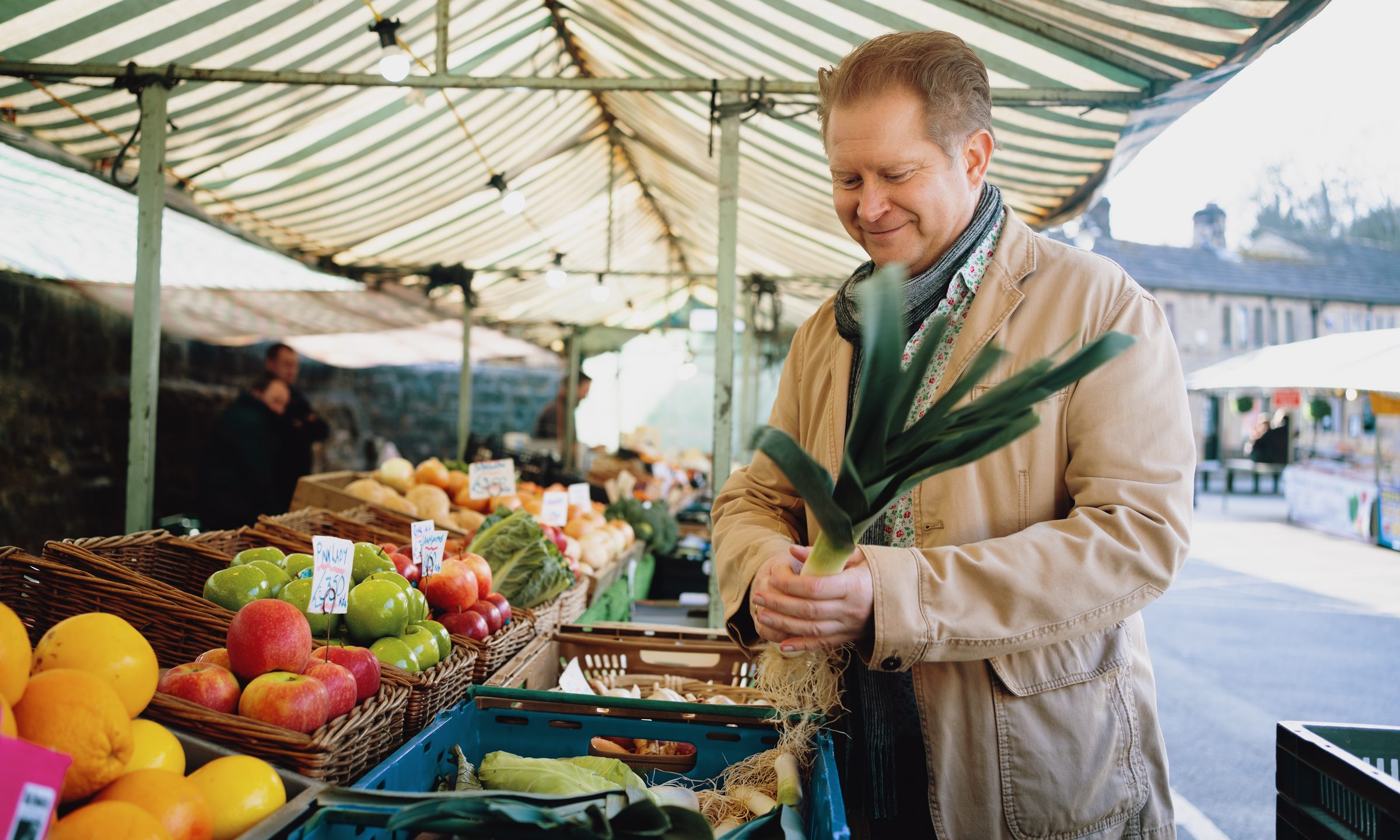
You may be able to double the value of your SNAP food benefits by shopping at your local farmers market through a program called Double Up Food Bucks. Check the program’s website to see if your state is among the more than 25 participating. Double Up Food Bucks lets SNAP recipients purchase more fresh fruit and vegetables by matching the value of their benefits at participating markets and grocery stores. You may also find that your money goes further at nearby farmers markets. “Farmers markets can be a great way to stretch your SNAP benefits, as you can often find fresh, local produce at lower prices than you would at a grocery store,” Lalonde said. “Buying in-season produce can also be more affordable and nutritious than buying out-of-season produce that may have been shipped long distances.”3. Use coupons and discounts
Try cutting some of your grocery costs by taking advantage of coupons and discounts. Even if you only save a small amount, it helps. You can find coupons at grocery stores, online and in newspapers. Read our guide on how to find coupons for ideas. The USDA’s MyPlate App offers a tool called Shop Simple that helps people find savings in their area and learn new ways to prepare budget-friendly food. » MORE: How to save money on groceries » MORE:4. Find out if you qualify for additional assistance programs
If you qualify for SNAP benefits, you may also be able to use additional assistance programs. For example, older adults who meet SNAP requirements may also be able to participate in the Senior Farmers Market Nutrition Program, which allows older Americans to get discounts on local produce, honey and herbs. The USDA also offers older Americans a monthly food box full of nutritious foods through the Commodity Supplemental Food Program. Even if you aren’t an older adult, if you are low-income, you may still qualify for local or federal additional programs that help with food and other essentials, so it’s worth it to do some research. The USDA offers 16 nutrition assistance programs. There is also a National Hunger Hotline, which links people with emergency food providers in their community, as well as government assistance programs and social services. Call 866-3-HUNGRY (866-348-6479).5. Plan your meals
You can help your SNAP dollars stretch a little more by planning your meals, especially if you focus on meal planning and including staple foods. “By planning your meals ahead of time, you can efficiently allocate your SNAP benefits,” Andrew Lokenauth, founder of BeFluentinFinance.com, said in an email interview. “Making a grocery list and buying in bulk can save you money while minimizing food waste and making the most of your ingredients.” Lokenauth also advised freezing extra food when buying in bulk. “When you find a great sale on meat, poultry, or produce, stock up and freeze the extras,” he said. Want meal inspiration using SNAP-eligible foods? The USDA has several recipes on its website that offer meal ideas, including seasonal ones. There’s also a cookbook called “Good and Cheap” by author Leanne Brown, featuring low-cost meals geared toward people receiving SNAP benefits. You can download the cookbook for free online, in either English or Spanish. “Cooking with seasonal produce is another way to save money while preparing nutritious and budget-friendly meals,” Lokenauth said.6. Order your groceries
Finding fresh food and quality groceries can be hard if you have barriers beyond having the funds — like living in a food desert (a place that offers limited access to fresh and affordable food) or lacking reliable transportation. But the good news is that you can use SNAP benefits to order groceries online. The USDA has a list of stores accepting SNAP for online purchases organized by state. Note that benefits can only pay for approved food items, not for delivery itself. Check the website for participating retailers and compare their delivery costs. Also check into delivery services; Instacart and its rival DoorDash accept SNAP/EBT payments and have limited offers of waived delivery fees. Ordering your groceries, even with a delivery fee, can help to save you time and money that may have otherwise been spent on transportation, lugging your groceries, and going out of your way to find a decent grocery store.7. Shop with a strategy
Following a shopping list can help you stay on budget, but so too can comparison shopping. Consider buying generic and shopping discount grocers. Stores such as Aldi sell generic items at heavily discounted rates. and look for coupons. You can use coupons with SNAP purchases, but there may be taxes you have to pay separately. Comparing unit prices may also help reduce overall expenditures. Look at the price of an item per pound or ounce rather than the total price to find the best value.Find help
If you or someone you know is struggling to cover food costs, here are additional resources: Call 211 or search for resources at 211.org, which can help you connect to assistance programs for food, mental health and more., which can help you connect to assistance programs for food, mental health and more.
, which can help you connect to assistance programs for food, mental health and more.
Find food banks and meal programs in your area with Feeding America.
.
.
Look for local food assistance on the Hunger Free America site
Search for nearby Little Free Pantries where you can take what you need and leave what you can.
where you can take what you need and leave what you can.
where you can take what you need and leave what you can.
Use this quick-help tool if you need help paying your bills. Explore more on About the authors Curtis Tiffany Lashai Curtis is a former lead writer for the Core Personal Finance team at NerdWallet. She was previously the health writer for Livestrong.com and a freelance writer for publications like Refinery29, Business Insider and MTV News, where she focused on issues that affect marginalized communities. As a wellness facilitator, she has led conversations for organizations like Planned Parenthood and Harvard University. She is based in Philadelphia. Mulka Lisa Mulka is a freelance writer specializing in personal finance content. With more than 15 years of writing experience, Lisa most recently authored a book on personal financial literacy and served as lead writer on the FDIC’s Money Smart for Young People program. She holds a bachelor’s in creative writing, and master’s degrees in written communication and in educational technology. Lisa lives with her husband and two children in Michigan, where she spends her free time teaching the next generation of writers at Johns Hopkins University Center for Talented Youth. 8 Ways to Track Monthly Expenses By Courtney Neidel How Much to Tip Just About Everyone By Laura McMullen 7 Best Personal Expense Tracker Apps of 2026 By Hal M. Bundrick, CFP®, Tiffany Curtis, Lisa Mulka Average Monthly Expenses by Category By Hal M. Bundrick, CFP®, Lisa Mulka