7
Fed Trims Rate: What Does It Mean For You?
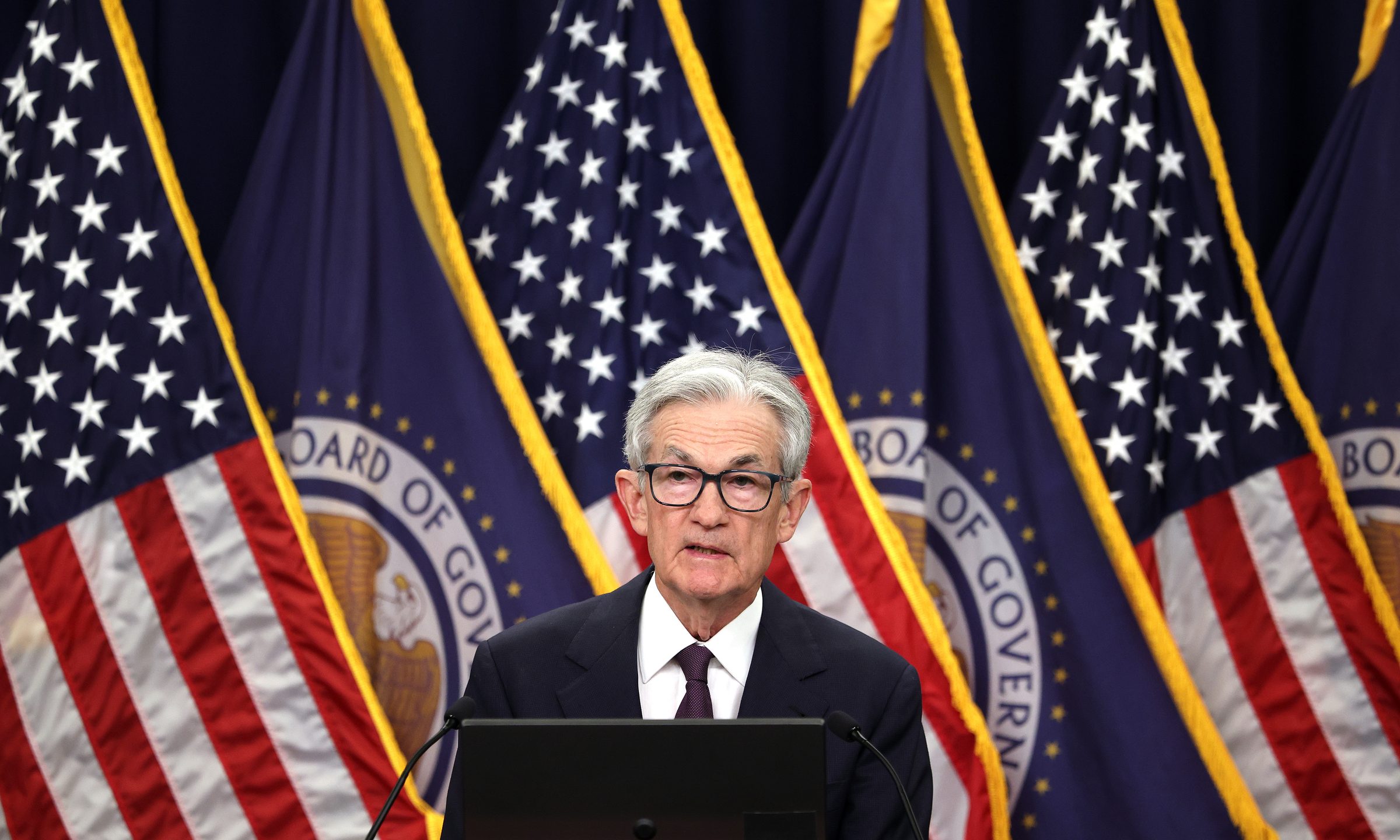
Fed Trims Rate: What Does It Mean For You?
The federal funds rate is now 4%-4.25%. Further 2025 cuts are likely.


New FOMC member breaks ranks
There was one dissenting member of the FOMC — its newest member, Stephen Miran, who favored a cut of 50 basis points. Miran, who was appointed on Monday, is taking an unpaid leave of absence from his position as chair of the White House Council of Economic Advisors so that he can serve on the Fed. Renter says, “Though dissent at the FOMC isn’t unheard of, it is unusual, especially in recent history. But current economic conditions — and thus the proper course of action — are difficult to interpret, even without added political pressure. In other words, this FOMC at this point in time is ripe for some disagreements.”What happens when there’s a rate cut?
A federal rate cut doesn’t automatically or immediately mean lower interest rates on financial products. Here’s what you may expect to happen: It’ll be cheaper to borrow. When the Fed lowers the federal funds rate, banks will pay less to borrow from each other. The banks respond by lowering interest rates on loans. That includes credit cards, auto loans, mortgages, personal loans and more. It’ll be cheaper to borrow. It’ll be cheaper to refinance. Lenders may trim rates for those looking to refinance an existing mortgage or other loan. It’ll be cheaper to refinance. Saving will be less rewarding. Annual percentage yields will fall on common savings products like high-yield savings accounts, CDs and interest-bearing checking accounts. Saving will be less rewarding. Markets could fluctuate. Typically, cheaper borrowing tends to boost investor confidence and encourages businesses to expand, which leads to higher corporate profits. But if the rate cuts are perceived as a response to economic decline, then the markets could be more volatile. Immediately following the rate announcement, the markets fell, although the Dow’s slide was brief. Markets could fluctuate. When it comes to consumer finances, Powell said, “Lower rates should support economic activity. I don't know that one rate cut will have a visible effect on that, but over time, a strong economy with a strong labor market is what we're aiming for.”Will the Fed cut rates again?
It’s likely, but nothing is certain. Yes, that’s a vague answer, but it’s true. Powell called all future decisions a “meeting-by-meeting situation.” He later added that the current situation is unusual since the economy isn’t what he would consider bad. He said, “It’s not incredibly obvious what to do.” The FOMC dot plot indicates that more cuts are likely at its remaining meetings this year: Oct. 28-29 and Dec. 9-10. The futures market’s CME Fedwatch tool places strong odds of a rate cut at both meetings. (Photo by Win McNamee/Getty Images)Meet MoneyNerd, your weekly news decoder
So much news. So little time. NerdWallet's new weekly newsletter makes sense of the headlines that affect your wallet.So much news. So little time. NerdWallet's new weekly newsletter makes sense of the headlines that affect your wallet.
So much news. So little time. NerdWallet's new weekly newsletter makes sense of the headlines that affect your wallet.
Explore more on About the author Helhoski Anna Helhoski is a senior writer covering economic news and trends in consumer finance at NerdWallet. She is an on-air contributor and producer of Money News segments for NerdWallet's Smart Money podcast. She is also an authority on student loans. She joined NerdWallet in 2014. Her work has been syndicated in news outlets nationwide including The Associated Press, The New York Times, The Washington Post, The Los Angeles Times and USA Today. She previously covered local news in the New York metro area for the Daily Voice and New York state politics for The Legislative Gazette. She holds a bachelor's degree in journalism from Purchase College, State University of New York. Published in How Is the Economy Doing Right Now? By Anna Helhoski Trump Administration Announces New Global Tariffs By Rick VanderKnyff How Could the DHS Shutdown Affect You? By Anna Helhoski U.S. Unexpectedly Lost 23,000 Jobs in July By Anna Helhoski