8
Here’s How to Get Started Flipping Houses — and What it Actually Costs
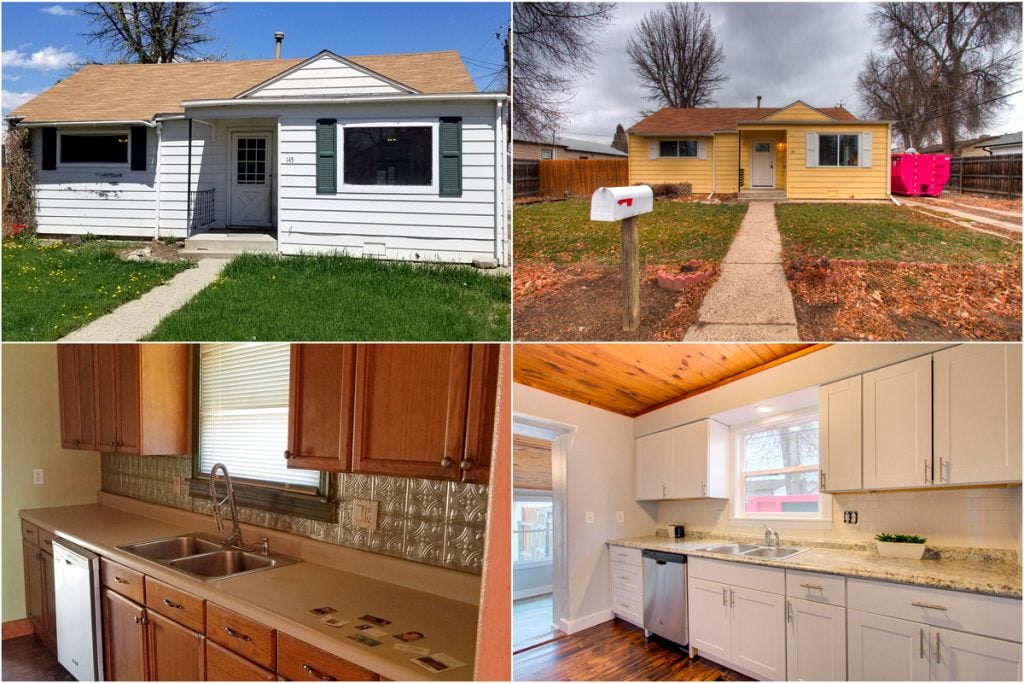

Got a paint brush? A screwdriver? A hammer? If you watch one of the many house-flipping shows on TV, you might think those three tools are all you need to make thousands of dollars flipping homes.
“The house-flipping shows make it seem like it’s all about designing a kitchen or tearing out walls,” says Mark Ferguson, an experienced Colorado flipper, investor, blogger, and author of several books about the industry. “But the real work is finding the deals, which they never show you.”
The goal of flipping a house is to purchase it and then resell quickly for a profit, usually within a few months. There are two main types of flipping:
Both approaches are basically numbers games of buy low and sell high, but the first type usually gets the most attention because it makes for the best entertainment and has a somewhat lower risk.
Unlike on TV, not everything happens quickly and easily during a house flip. It takes lots of money, time and patience. Here’s how to get started flipping houses — with lots of cautions.
Home flipping is big business. According to the 2019 year-end Home Flipping Report from ATTOM Data Solutions, investors flipped 245,864 single-family homes or condos, which represented 6.2% of all home sales during the year, an increase of 2% from 2018.
“With tens of thousands of home-flipping transactions each quarter, significant amounts of home renovations are occurring, which improves conditions from neighborhood to neighborhood, to the benefit of owners, sellers and house hunters, and contributing to the overall housing market in multiple ways,” said Todd Teta, chief product officer of ATTOM Data Solutions.
As for dollars in 2020:
Gross profit numbers do not take any costs into account since it is impossible to determine how much a flipper spent on materials, labor, carrying costs, taxes, insurance and other expenses. The figure is simply the difference between purchase price and sales price. Teta says rehab costs and other expenses are typically 20% to 33% of the property’s after-repair value, or ARV.
This year, even with the COVID-19 pandemic, numbers are still strong. According to ATTOM’s report for the first quarter of 2020:
Flippers in San Francisco saw the highest median gross profits at $171,000, while gross profits were only $14,000 in Fort Collins, Colo.
“Less-expensive parts of the country, concentrated in the Midwest and South, continued to hold the most allure for those looking to quickly turn single-family properties,” Teta said.
Declining profits are a continuing trend, but are not turning away flippers, he said. The effects of the pandemic, of course, continue.
“If demand for homes is stifled and prices flatten or drop, that could seriously hurt investors who bought before the pandemic hit and must cut their resale prices,” Teta said. “However, a price drop also could provide opportunities. In that case, the cost of investing will go down.”
The rising interest in home flipping coincides with the proliferation of shows about flipping, decorating and home improvement.
“[Flipping] is kind of like a sexy thing to do after you watch it on TV,” Ferguson said. “I think that’s really the big attraction that people see on TV and how much money they make and they say, ‘I’m going to go do that.’ It looks easy.”
HGTV went on the air in 1994, reaching just 6.5 million homes in 44 markets. On its 20th birthday in 2014, it was in 96 million homes in 69 countries.
Its shows and those on other networks are reaching broad audiences — and creating widespread misconceptions about house-flipping.
“If you saw it on TV, it’s wrong,” said Luke Weber, a Las Vegas real estate investor who has flipped about 500 homes. “The TV shows, even the ones that try to be as real as possible, are all inaccurate. The TV shows are for drama, not for education.”
One common way the shows are misleading: the extent of remodeling needed on houses.
“Most of the flippers that are doing those shows are way over-improving the houses because it has to look pretty for TV,” Weber said.
Sometimes, he said, a house just needs fresh paint, new flooring, cabinets, and bathroom refreshes.
Ferguson began flipping houses in 2002 and has completed around 200 flips.
“Even after doing all those flips for so many years, we still lose money on deals sometimes,” he said. “The deal always looks better before you get into it because there are so many unknowns. Our No. 1 rule is it always takes longer and always costs more than you think it will.”
Ferguson has some basic advice for those getting started house flipping:
“You have to be prepared to possibly lose money or not make a lot of money for all the time you spend doing this, but you have to look at it as an education,” Ferguson said, adding that people wanting to get into the business shouldn’t be spending their last dime doing a flip.
Flipping homes takes money — lots of it.
“They always act like they have millions of dollars of cash to throw around on those shows, and I don’t know about their personal finances, but most flippers I know are using loans … financing properties,” Ferguson said.
In his market, Ferguson said it takes $300,000 to $400,000 in cash to finish a flip.
Yowser.
According to ATTOM’s 2020 report, 40% of home flippers used financing to fund their projects. That means 60% of buyers paid for their projects in cash.
Cash has its advantages. The deals close quickly, there is no interest to pay so you don’t have to be in a huge rush to sell. Plus there’s no debt.
“Cash is king,” said Ralph Roberts, an experienced flipper and author of the book Flipping Houses for Dummies. “Everyone wants a deal that is going to go through, and the number one deal to go through is cash.”
Traditional loans can take a month or more to close, if you can get one. Getting a loan if you don’t intend to live in the property can be difficult, Ferguson said, which is another reason a beginning flipper might want to think about living in a home while fixing it up.
“If it doesn’t work out perfectly, you’re probably going to be just fine. You probably still got a good deal and have equity,” he said. “If you were straight flipping it without living there, you might have lost money, but if you’re living in it, you might make money because you don’t have all those extra costs while it’s sitting vacant.”
Of course, that also depends on whether you can handle the stress of living in a construction zone.
Other sources of funding include:
“I call them my lending partners,” Weber said. “(They’re professionals) who’ve got money and understand that real estate is a really good way to make money, but they might not have the time, patience or knowledge to make that money themselves. So they invest with me.”
Experienced flippers say doing the work is the easy part. Finding a home to flip is what’s difficult.
In the early 2000s and especially after the housing market crash a few years later, the plethora of foreclosures made flips easy to find. That has changed.
When Ferguson started flipping in 2002, 95% of the homes he bought were foreclosures or public trustee sales and he was competing with no more than five other flippers. Now there are at least 20 other serious flippers nearby, meaning more competition for the best houses.
“There are still good houses to flip, but they’re most likely not going to be bank foreclosures sitting out there waiting for people to invest in them,” he said. “You’ve got to do a lot of work yourself to find those deals, find motivated sellers and look in different areas.”
Besides foreclosures, there are several ways to find homes to flip:
If you find a good candidate for flipping, keep in mind some things buyers look for:
“(Buyers want) a clean, safe place to call their own, something that is comfortable for their family,” Weber said, adding they don’t want to do much more than move in furniture and maybe change some paint colors.
He says it’s important to look at a house’s after-repair value or ARV, which is how much the house will probably sell for once it is finished.
“Once I know what I can sell a house for, that helps me understand what I should buy a house for,” Weber said. “You really make your money when you buy the house, not when you sell it. You collect it when you sell, but you make it when you buy, so you have to buy the house at the right price.”
Remember Ferguson’s No. 1 rule about house flipping? That it always takes longer and costs more than you think it will.
“I think people underestimate how long it will take by about half,” he said. “They forget how many things can go wrong and just the general process of fixing a house.”
He estimates a typical flip of a $200,000 house costs about $100 a day to maintain.
Contractors don’t just show up on day one ready to work. You might even have to replace them during the project. There are plans, permits, inspections, shipping delays for materials and weather disruptions. Once the work is done, there is cleaning, staging, listing, showing, real estate commissions, closing costs and more.
Ferguson said he sees people who say their flip will take three months. Then when it takes six months or more because of the unexpected, they’re surprised and upset.
“When they make that mistake, they’ve got property taxes, insurance, utilities, yard maintenance, interest on your loan, all compounding every single month. So that makes the whole project cost tens of thousands of dollars more than you anticipated, because you messed up your timeline,” he said.
So, how do the experts suggest estimating costs and time?
Staying realistic about the time you are able to commit to the project is also important.
“It’s not something (most people) can just do on the weekends. It’s crazy how many people think ‘oh, I’m going to finish this in a month or two just working on the weekends,’” Ferguson said.
Treating flipping as a part-time project, he said, will take at least three times as long and will keep you away from your family and the things you enjoy doing every night and weekend.
The goal of any flip is to get someone to buy the house, and that means creating a house people want to live in.
“You should do the landscaping first and get that done because curb appeal is everything,” Roberts said. “If people like the outside, they’re going to want to see the inside.”
Keep in mind you’re designing a home for a variety of buyers.
“People go overboard with how they design a house and spend way too much money and make it way too specific,” Ferguson said. All three experts recommend keeping things neutral but not boring to appeal to the most buyers. No bold paint colors or patterns.
They also recommend:
“You want to be proud of your work and be willing to say, ‘I could live in this house,’ ” Roberts said.
As simple as it sounds, Weber said it’s also important to complete the flip.
“I get a kick out of it when people remodel a home, but they leave one or two major things undone,” he said, like only remodeling two out of three of a home’s bathrooms because money ran out. “That one bathroom is what the buyers are going to remember.”
After the work is finished, the house does not just sell itself. There’s setting the selling price, finishing little details, cleaning, staging, photographing, listing and marketing.
The selling process begins by setting the price.
“Most neighborhoods have a certain cap, an amount where it’s just really hard to sell houses for more than a price” Ferguson said. Also, if the house doesn’t appraise at your price, buyers might have trouble securing financing.
Remember: During the time it sits on the market, you’re still paying for everything.
“The house isn’t going to sell the first day — it might, but it might take a few weeks or longer for the house (to go) under contract,” Ferguson said. “Then you have to wait a month for the house to close … and there’s always the possibility that contract might fall through and you start the whole process over again.”
Additional costs to factor in:
Ferguson said he never used to stage homes until the market began to slow down. Now he says it works so well, he should have been staging from the beginning.
In the end, flipping is a business that is filled with highs and lows.
“It’s fun. It makes a lot of money if you do it right,” said Ferguson, adding he doesn’t do any of the work himself anymore. “It can be a great business. It can be exciting, it can be fun. You just have to realize problems will come along.”
Tiffani Sherman is a Florida-based freelance reporter with more than 25 years of experience writing about finance, health, travel and other topics.
Ready to stop worrying about money?
Get the Penny Hoarder Daily
Some of the links in this post are from our sponsors. We strive to provide accurate, reliable information.
Compensation may influence how and where products appear on our site (including their order), and we do not include all companies or offers.