10
Everything You Need to Know Before Taking on an Unsecured Loan
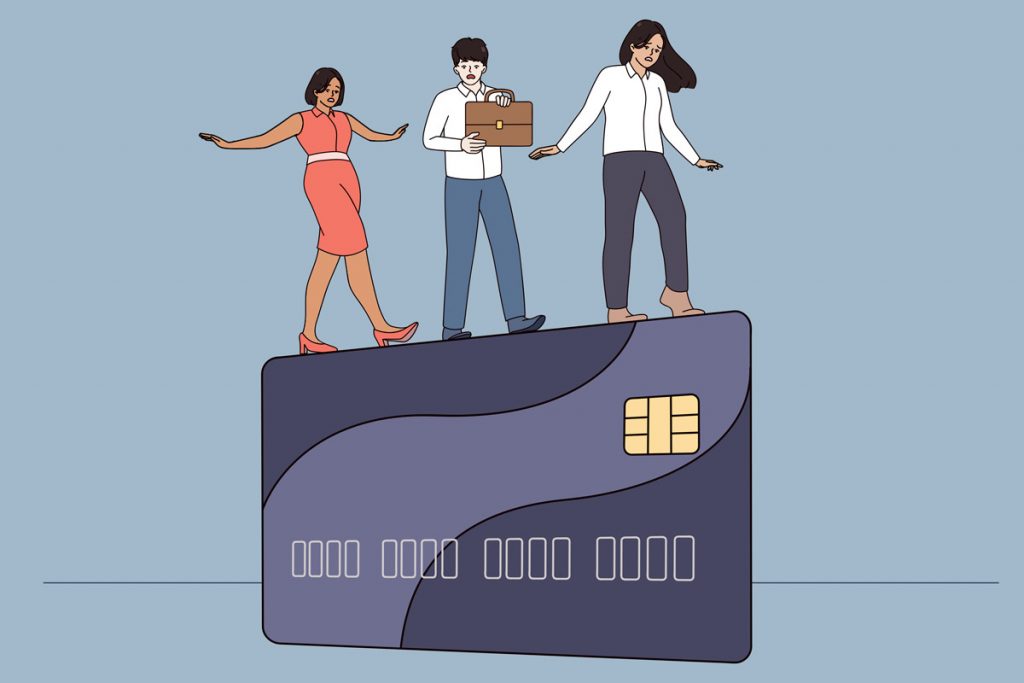

At some point, you might consider taking out a personal or unsecured loan, especially if you are low on savings and a big expense is on the horizon.
Before taking on that financial burden, what exactly do you need to know? What are the pros and cons of unsecured loans? How does an unsecured loan affect your credit score? And how do you qualify?
Let’s break down the basics of unsecured loans.
An unsecured loan is simply any type of loan that doesn’t require collateral. With a mortgage, the house itself is the collateral. That’s a secured loan. If the homeowner defaults, the bank can choose to take the house as collateral. With an unsecured loan, the bank looks at other factors — such as a good credit score — during the approval process, but doesn’t require an asset as collateral.
There are many types of unsecured loans, though the most common tend to be credit cards, student loans and personal loans.
- Credit cards: If used responsibly, credit cards can be a great way to build your credit score and make the most of your financial situation. They can also help in a pinch if you need a quick line of credit for something urgent. Credit card interest rates will vary based on your credit score and history, though the national average APR or annual percentage rate is around 16%, according to data from the Federal Reserve.
- Student loans: A student loan can help you pay for higher education, which is the only option for many students especially as costs increase. While federal student loans offer some advantages over private loans, both are still unsecured loans.
- Personal loans: You might take out an unsecured personal loan for something like a home improvement project, wedding or other big-ticket items. A personal loan has no restrictions on how it can be used. A personal loan is approved for a set amount and given to you in a lump sum.
- Personal line of credit: A personal line of credit functions more like a credit card than a loan, creating a revolving, unsecured line of credit that you can utilize at any time. You’ll only pay interest on the amount you borrow, not the full line of credit, similar to a home equity line of credit.
- Debt consolidation loan: A debt consolidation loan is a type of unsecured loan that can be used to pay off multiple debts with higher interest rates, such as credit cards. Many require a credit score in at least the mid-600s to qualify.
- Payday loans: Cash advance or payday loans are also unsecured loans because you don’t provide any collateral.
- Buy now, pay later loans: You may not think of “buy now, pay later” options as a loan but financing offered by companies like Afterpay and Klarna are a type of unsecured loan.
Payment terms on unsecured loans fall into two categories:
- Revolving loans include credit cards or a personal line of credit. There is a credit limit that can be drawn from, repaid and spent again.
- Term loans, however, work more like secured loans in that the borrower makes pre-set payments until the loan is repaid by the end of the term. Some examples include student loans, personal loans and loans to consolidate debt.
Maybe you’re not sure about an unsecured loan and feel like a secured loan would better fit your needs. There are several differences between secured and unsecured loans.
Types of Secured Loans
Some of the most common types of secured loans include:
- Mortgage loans: A mortgage is secured by your house. Stop making payments and the bank can come after your home, the collateral in this case.
- Home equity loans: You can also use the equity in your house as collateral to get a home equity line of credit or home equity loan. Like a mortgage, your house is on the line if you can’t make the payments.
- Secured personal loans: A secured personal loan is simply a personal loan with collateral, such as a car, certificate of deposit or savings account.
- Car loans: A car loan works like a mortgage. Your car is the collateral.
- Secured credit cards: A secured credit card requires a cash deposit — unlike an unsecured credit card — that becomes your line of credit. A secured credit card can help build credit if you have no history or a low credit score.
- Business loans: A secure business loan can be backed by equipment, real estate, inventory or another asset.
Before taking on unsecured debt, you should know the good and bad of what you’re dealing with.
- No need to leverage assets as collateral: Your house or car aren’t on the line with an unsecured loan. So if you have a sudden loss of income and can’t continue making payments, the bank can’t take those essential items. A lender can still take legal action against you though.
- Faster approval process: Since there’s no need to evaluate assets, you can usually get approved for an unsecured loan by an online lender within a few days. The lender will take a look at your credit history and credit score to determine where you’ll get approved and for how much.
- The potential to take out a smaller loan: Depending on your point of view, this could be a pro or a con. A smaller unsecured loan means less risk for you and the bank. It’s also a way to build — or rebuild — your credit history without taking on too much debt.
- Higher interest rates: Because unsecured loans don’t have collateral, interest rates are often higher than secured loans. Your rate will depend on two factors: your credit score and the amount you want to borrow. Higher interest rates can mean higher monthly debt payments, so you’ll want to make sure the loan makes sense for your budget. Interest rates can range from about 4% to 36%.
- Good credit scores required: A good credit score shows the bank that you may be less of a risk. You’re not only likely to get approved but could also receive a higher loan. It’s possible to get a personal loan with a lower credit score, but lenders tend to prefer a score of at least 720. A credit score in the mid-600s or higher can give you a wider choice of lenders, as well as better interest rates.
- The bank can still come after you for defaulting: Even though the loan is unsecured, the bank still has options if you fail to make payments. A lender could sue you for the loan balance and obtain a lien on your assets. If the lawsuit is successful, your wages could be garnished and your credit report would take a major hit.
Once you apply for an unsecured loan, your credit score may take a mild hit, which comes from the credit inquiry itself as well as the potential increase in your debt to income ratio.
On the flip side, the inquiry will eventually go away. And as long as you’re making your payments on time, your score should begin to trend upward again.
Making payments on your unsecured loan will also improve your payment history and lower your debt-to-credit ratio, which can help increase your credit score.
Taking on any loan is a great responsibility. But if you stay on top of payments and manage the loan responsibly, you can build your credit score and possibly secure better terms the next time you apply for a loan.
Here’s the factors that may play into whether you get approved for an unsecured loan and how much the loan will be.
Before you take on debt, it’s always good to do your research and make sure you’re prepared. When it comes to unsecured loans, here are some frequently asked questions.
An unsecured loan may be as small as $500 up to $100,000. Whether you need to pay for an emergency or finance a big expense, your payment will be lower and you may pay less interest if you borrow just what you need. So while it might be tempting to get extra, it’s smarter to stick to your estimate and keep your repayment length as short as possible given the higher interest rate.
Repayment terms for unsecured loans can range from a few months to several years depending on the loan and lender. A longer loan term means lower monthly payments but more interest paid over time. Ideally, you’ll take on the shortest loan term that makes the monthly payment manageable. You may also pay an origination fee, which is important to include your calculations.
Interest rates for unsecured loans can vary greatly from around 4% up to 36%. To set your interest rate, a lender may consider your credit score, income, debt-to-income ratio, the size of the loan and the repayment terms.
Finding the right unsecured loan for you depends first on how you plan to spend the money. If you’re financing an education, start with more favorable government student loans, then consider private student loans. If you want easy access to a revolving loan, a credit card or line of credit may be best. Similarly, a debt consolidation loan is best for debt, not tuition. Next, research your options for that type of loan and compare terms offered by various lenders to find the unsecured loan that best meets your needs.
Robert Bruce is a senior writer for The Penny Hoarder.
Ready to stop worrying about money?
Get the Penny Hoarder Daily
Some of the links in this post are from our sponsors. We strive to provide accurate, reliable information.
Compensation may influence how and where products appear on our site (including their order), and we do not include all companies or offers.