10
15 Warning Signs Of A Tampered Card Reader
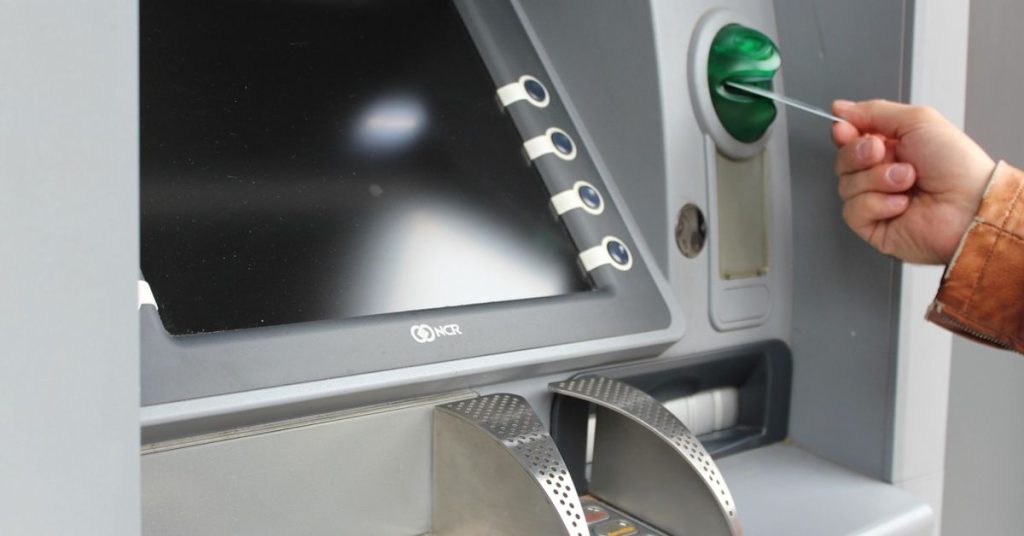

Every card swipe comes with risk if you’re not paying attention to the machine in front of you. Credit card skimming is more common than most realize, and spotting tampered readers early can save you serious trouble. Here’s how to stay one step ahead.
Legitimate card readers are tightly secured in place, so if the slot wiggles or feels unstable, that’s a red flag. Skimming devices often rest loosely over the original reader. Give it a slight tug—thieves count on users being too rushed to notice.
More From The Penny Hoarder: If You Have More Than $1,000 in Your Checking Account, Make These Money Moves
A real keypad sits flush with the machine’s surface and doesn’t shift. If the buttons feel bulky or move under your fingers, it could be a fake overlay capturing your PIN. Some overlays even leave a sticky residue when pried off, exposing tampering.
Make money easier. Sign up for The Penny Hoarder’s newsletter today.
Legitimate ATMs don’t feature strange pinholes around the keypad area. These tiny openings often conceal miniature cameras aimed at recording your PIN. Some are even disguised as screw heads. If something looks odd or out of place, step back and take a closer look.
More From The Penny Hoarder: Legit Games That Pay Real Money
Logos are a standard feature on real machines to indicate compatibility and reassure users that the terminal is genuine. Machines should clearly show card network logos like Visa or Mastercard near the reader. Missing or obscured branding isn’t just lazy design—it’s unusual.
More From The Penny Hoarder: 17 Make-Your-Own-Schedule Jobs You Can Do From Home
If the card reader or keypad looks off in texture or color compared to the rest of the machine, be suspicious. Skimmer parts are rarely a perfect match and often use cheaper plastic. Real machines maintain consistent branding and clean finishes throughout.
More From The Penny Hoarder: The 28 Best Side Hustles: Our Top Picks to Help You Make More Money
Tamper-evident seals are placed on legitimate machines to show any breach. If stickers look torn, repositioned or replaced, the machine may be compromised. Some scammers slap on fake seals, while others carefully re-stick old ones to keep you from noticing.
More From The Penny Hoarder: If You Have More Than $1,000 in Your Checking Account, Make These Money Moves
If your card drags or gets stuck going in or out, that’s not normal. Authentic machines have smooth, spring-loaded slots that don’t resist. Extra friction can mean added hardware. Skimmers sometimes alter the angle or depth of the slot, affecting how your card moves.
More From The Penny Hoarder: 50 Easy Ways You Could Make Extra Money This Month
Card readers don’t need chunky plastic edges or odd extensions. Skimmers use add-ons to disguise themselves and often hide cameras inside. If the surface feels loose or tacky, trust your gut—this kind of attachment doesn’t belong on a real reader.
More From The Penny Hoarder: Our Picks for The Best Budget Apps for Couples
If the card reader or keypad feels unusually warm, pause before using it. Skimming devices often run on internal batteries or electronics that produce heat. Real machines shouldn’t feel hot to the touch. Subtle warmth might be your only warning that something’s hidden underneath.
More From The Penny Hoarder: Get Your Finances Together This Year With One of Our Favorite Budgeting Apps
Expect the screen to respond right after your card is inserted. Legitimate machines don’t hesitate. If it lags, beeps oddly or acts sluggish, something could be off. Tampering can interfere with the interface and help skimmers capture and transmit your data during that delay.
More From The Penny Hoarder: How to Choose a Credit Card That is Right For You
Before using an ATM, take a quick look at the cameras around it. Legitimate ones are usually placed at eye level, not pointing toward your hands. If you spot two cameras or one at an odd angle, it could be a hidden device recording your actions.
More From The Penny Hoarder: How to Invest with AI: Tools and Tips
Check the surroundings before using a terminal. If you see sealed brochure holders or odd wires feeding into nearby fixtures, steer clear. Scammers sometimes stash skimmer components or power sources in these compartments while leaving the reader itself looking perfectly untouched.
More From The Penny Hoarder: The Best No Annual Fee Credit Cards
Use your phone’s Bluetooth scan when near card machines. If you detect a signal with no name or strange alphanumeric codes, stay alert. Some Bluetooth-enabled skimmers send your data to nearby receivers. Real ATMs shouldn’t give off those kinds of connections.
More From The Penny Hoarder: Our Picks for The Best Savings Accounts for This Month
Most card readers and ATMs are tightly fitted into their mounts or walls. If you see gaps, bulging panels or misalignment, it may have been tampered with. Always take a second to scan the setup—some thieves even create entire fake ATM fronts.
More From The Penny Hoarder: Credit Card Churning: A Smart Way to Earn Bonuses — or a Risky Game?
Glance at the card slot before inserting anything. A legitimate reader has a fixed width and depth. If the slot looks deeper or oddly extended, that may be a cover placed over the original. Some fake slots are designed to grab both card data and the card itself.
More From The Penny Hoarder: The Top 0% Interest APR Credit Cards
Ready to stop worrying about money?
Get the Penny Hoarder Daily
Some of the links in this post are from our sponsors. We strive to provide accurate, reliable information.
Compensation may influence how and where products appear on our site (including their order), and we do not include all companies or offers.