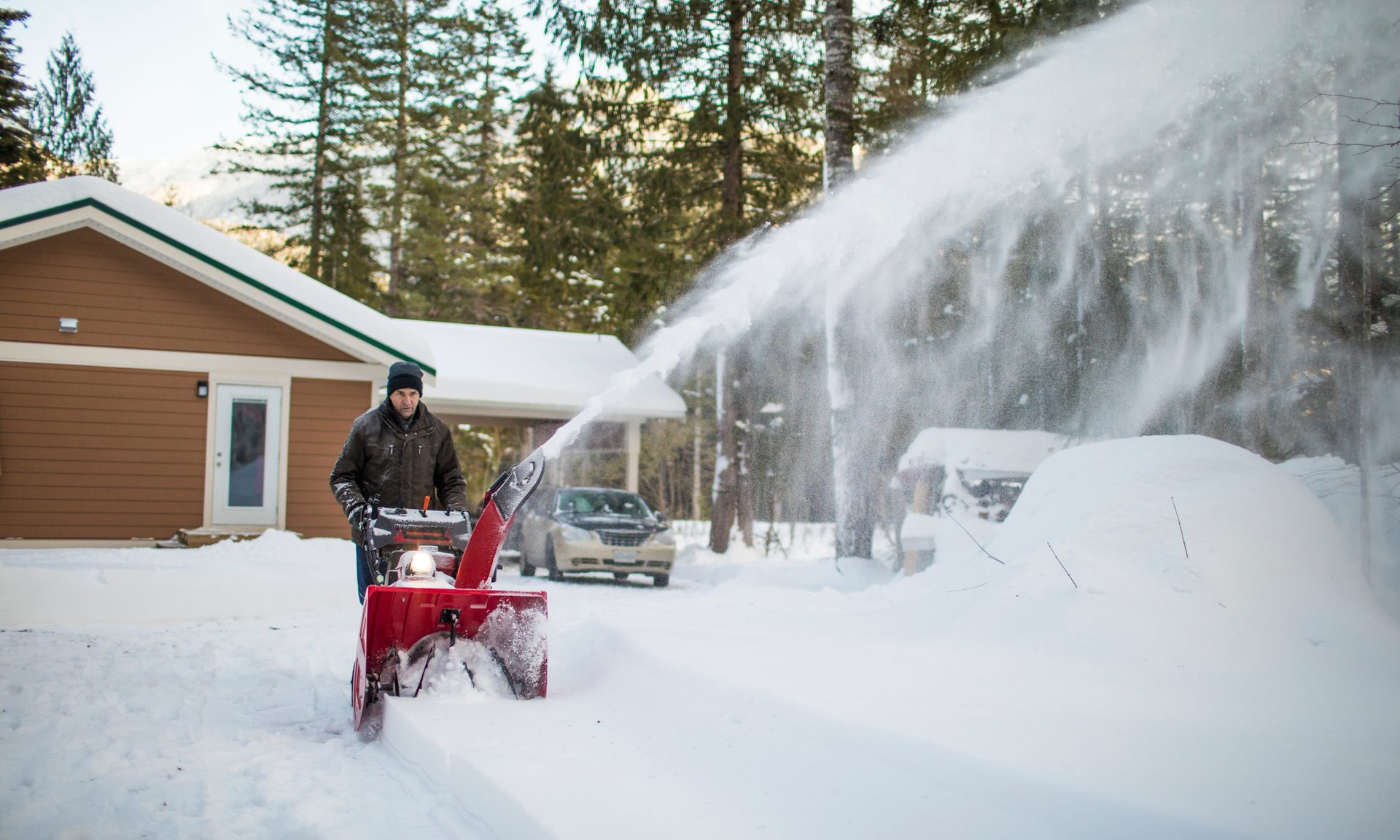
Weather Life’s Storms With an Affordable Disaster Kit
Back to libraryLauren Schwahn, Pamela de la FuenteAug 1, 2026
Weather Life’s Storms With an Affordable Disaster Kit
Weather Life’s Storms With an Affordable Disaster Kit
Here's how to find survival necessities for cheap.
Written by
Written by
Written byEdited by
Edited by
Edited by otherUpdated
Addas a preferred source on Google
Make a listSearch your homeSave a little at a timeRecycle water containersVisit discount merchantsShop salesSeek long-lasting productsBuy in bulkUse community resourcesHow to Pay Off Debt: Top Strategies for 2026Credit Score Ranges: What They Mean and How They WorkHow to Budget Money in 5 Steps28 Proven Ways to Save MoneyA disaster can hit when you least expect it.“It doesn’t matter where you live in the United States. Everyone is subject to some type of a potential disaster,” says Jim Judge, a member of the American Red Cross Scientific Advisory Council.Although you can’t predict the effects, you can prepare. Having a disaster kit handy can help you survive the potentially challenging days or weeks that follow.“If the power’s out, the grocery stores are closed. You’re not going to be able to go to a pharmacy to get your medication,” Judge says. A disaster kit can be "the difference between life and death.”But the cost may hold families back. The Red Cross website sells a premade, basic three-day kit for one person for about $135. Multiply that by three: one kit for your home, work and vehicle, as advised by the Department of Homeland Security at ready.gov.That website also has tips and advice as winter storms roll into many parts of the country.A more than $400 price tag isn’t feasible for everyone. But you can save money by compiling a kit yourself. Here are some tips to help you out.
Make a list
According to the Red Cross, basic kits should include:One gallon of water per person per day — enough to last at least three days during an evacuation or two weeks at homeAt least three days’ worth of nonperishable food for an evacuation, or two weeks’ worth for the homeA flashlightA battery-powered or hand-crank radio with NOAA Weather RadioBatteriesA first aid kitA seven-day supply of medications and other medical itemsSanitation and personal hygiene itemsA multipurpose tool, like pliers or a pocketknifeLocal mapsA cellphone and chargerCashAn emergency blanketFamily and emergency contact informationCopies of personal documents such as insurance policies, house deed and passportsConsider extra items such as a manual can opener, matches, a change of clothing and a portable phone charger. Don’t forget a durable, easy-to-carry bag or bin to hold everything. Judge also suggests customizing your kit for your individual, family and pet’s needs. Visit the Red Cross website or the ready.gov site for a detailed recommended supply list. The Red Cross also offers a suite of apps, including the Emergency App, to help you prepare and survive a variety of threats.
Search your home
Take a look at what you already have. You might be more prepared than you think. Go room by room checking shelves, drawers and closets. Once you’ve identified the supplies you’re missing, hang a list on the refrigerator, Judge says. This can serve as a reminder to finish the job.
Save a little at a time
Roll supply costs into your budget. The sooner you can swing putting your kit together, the better. But if you don’t have the means to complete it right away, tackle it little by little.“You’re not gonna do it in one day. You don’t want to go out and spend a boatload of money,” Judge says. “But before long, you’re prepared.”Focus on essentials first: water, food, medications, a first aid kit and a radio. Then, move down the list in the order you see fit.
Meet MoneyNerd, your weekly news decoder
So much news. So little time. NerdWallet's new weekly newsletter makes sense of the headlines that affect your wallet. So much news. So little time. NerdWallet's new weekly newsletter makes sense of the headlines that affect your wallet. So much news. So little time. NerdWallet's new weekly newsletter makes sense of the headlines that affect your wallet.
Recycle water containers
Following a devastating disaster, you’ll need water for drinking, cleaning and cooking. Reusing plastic 2-liter soda bottles can be a safe, low-cost way to store water. Save empty containers or ask friends and neighbors for theirs.Wash bottles thoroughly and refill with tap water. You can also sanitize them by rinsing with 1 teaspoon of unscented chlorine bleach and a quart of water, according to ready.gov.However, this isn’t a permanent solution. You should replenish your water supply every six months.
Visit discount merchants
Try your luck at dollar stores, thrift shops and flea markets. These venues are good for cheap batteries, flashlights, battery-operated lanterns, AM/FM radios and other goods.“You’d be surprised at the preparedness items that you can get for pennies on the dollar,” Judge says.Test objects to make sure they work, especially if you buy used.
Shop sales
Coupons, markdowns and buy one, get one free deals can help you load up for less. Keep an eye out for grocery-store deals.When stocking up on groceries, consider what your family routinely eats so it won't go to waste.
Seek long-lasting products
Pick provisions strategically. Look for foods with long shelf lives such as granola bars, peanut butter, or canned meats, fruits and vegetables. Purchase fresh ingredients only if you’ll use them before they spoil.“If you know that something is coming, like a hurricane, fruit is always good,” Judge says. “Apples, bananas, oranges and things like that are fairly inexpensive at the markets, and they also last a while.”
Buy in bulk
Wholesale clubs like Costco and Sam’s Club sell products in large quantities at low per-unit prices. If you have a membership, use it to stockpile nonperishable items such as bottled water, canned food and cereal. If the initial cost is too steep, or you don’t think you’ll use everything, go halfsies with someone else.
Use community resources
If you’re in desperate need, charitable organizations can come to your rescue. Turn to your local food bank, church, United Way or Red Cross chapter for food and other necessities.You might never have to use an emergency kit. But if you do, you won’t regret being prepared.»MORE:How to get financial help from the government»MORE:Explore more on
Addas a preferred source on Google
About the author SchwahnLauren Schwahn is a writer at NerdWallet who covers credit scoring, debt, budgeting and money-saving strategies. She contributed to the "Millennial Money" column for The Associated Press and managed a team of writers producing content for the series. Her work has also been featured by USA Today, MSN, The Washington Post and more. Lauren has a bachelor’s degree in history from the University of California, Santa Cruz. She is based in San Francisco.Published inWhat is a budget? A simple guide to getting startedBy Lauren Schwahn, Amanda BarrosoNeeds vs. Wants: How to Budget for BothBy Lisa MulkaHow to Budget Money in 5 StepsBy Amanda Barroso, Lauren SchwahnSinking Funds: The Secret to Stress-Free ExpensesBy Amanda BarrosoWhat Is My Net Income?By Lisa Mulka