10
15 Interview Tips To Help You Stand Out For The Right Reasons
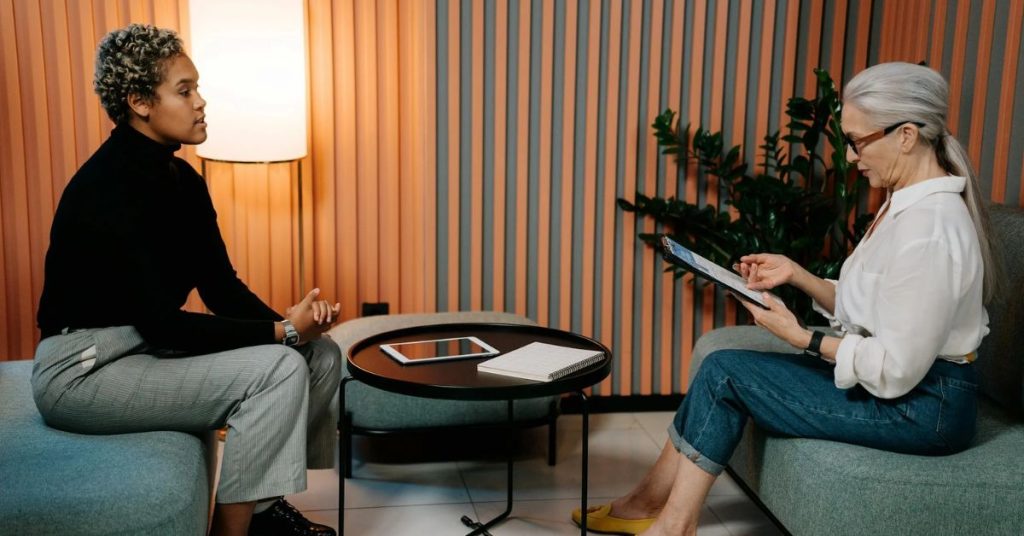

Interview nerves are real, and they start the moment you get the request—excitement followed by a flood of questions. What should you say? How should you prepare? There’s no magic formula, but a few key techniques can help things click. So, let’s cover practical ways to help you approach interviews with confidence, clarity, and just the right amount of polish to make a lasting impression.
Before you even apply, check out employee profiles and relevant Reddit threads. Understanding what the team does helps you connect the dots when they ask, “Why here?”. At that moment, you won’t be guessing—you’ll already have a solid sense of the company and team.
Hidden beneath the buzzwords are valuable clues. Identify what matters most—whether it’s leadership or attention to detail—and incorporate those words into your answers. By doing this, you’re not just responding to questions; you’re reflecting their priorities in a subtle, effective way.
“Tell me about yourself” isn’t an invitation to share your entire life story. Instead, it’s an opportunity to convey your passion and provide a concise overview that connects relevant experiences. Focus on why you’re a good fit in a few clear points.
Don’t memorize lines—map out your highlights. Think of one big win, one lesson learned from failure, and one unexpected moment that shaped you. Having these stories ready helps you stay natural and confident, even when the conversation takes an unexpected turn.
Forget performance mode. Start thinking like a teammate. When you say things like, “I’d approach it this way” or “I’ve seen this succeed,” you completely shift the tone. It reframes you from applicant to problem-solver and signals you’re ready to collaborate.
“What’s a typical day?” won’t give you much. Try “What surprised you when you started?” or “What does success actually look like on this team?” These questions are like mirrors as they reflect your curiosity and your fit.
Some questions are meant to throw you—on purpose. Don’t stress. Instead of aiming for a perfect answer, say, “Here’s how I’d think through it,” and walk them through your process. It’s less about being right and more about showing how you tackle the unknown with clarity and composure.
Match their tone without mirroring it. If they’re formal, stay focused and clear. If they’re casual, ease into a more conversational style. You don’t need to imitate, just align with them. When your tone fits the room, everything else tends to fall into place.
Saying “I helped” is vague and easy to overlook. Instead, say something like, “I cut onboarding time by two weeks”—now that’s concrete. Numbers turn your impact into evidence, even when you’re highlighting soft skills. It’s the difference between sounding helpful and sounding essential.
When asked behavioral questions, follow the STAR method: Situation, Task, Action, Result. This keeps your answers structured and impactful. It also helps avoid rambling. A clear story arc makes your example easy to follow—and more memorable.
Speaking quickly doesn’t make you sound smarter; it just makes it easier to forget what you said. Pause and breathe for a minute. If a question stumps you, repeat it aloud to give yourself space. You’re not racing the clock. Clear, thoughtful answers always win.
Instead of saying, “I’m passionate,” show what makes you curious. Mention a recent industry shift, a niche tool you’ve tried, or a project you’d love to tackle. It’s not about being loud; it’s about showing that your interest runs deep.
If you stumble on a question, don’t panic. Just acknowledge it, regroup, and keep going. Real confidence shows in how you handle the bumps, not in delivering a flawless performance. What sticks with people is your ability to bounce back with composure.
Share a story that’s current—something from the last year or two. It’s a better reflection of your skills today and gives a clearer sense of how you work now. Recent wins not only feel more relevant, but they also show you’re still growing and making an impact.
Rather than ending with a generic “thanks for your time,” call back to something meaningful from the conversation—an insight, a shared value, or a moment that clicked. A short, thoughtful note shows you were truly engaged and leaves a more lasting impression than a standard sign-off.
Ready to stop worrying about money?
Get the Penny Hoarder Daily
Some of the links in this post are from our sponsors. We strive to provide accurate, reliable information.
Compensation may influence how and where products appear on our site (including their order), and we do not include all companies or offers.