13
Protect Your Home by Understanding Homeowners Insurance Costs
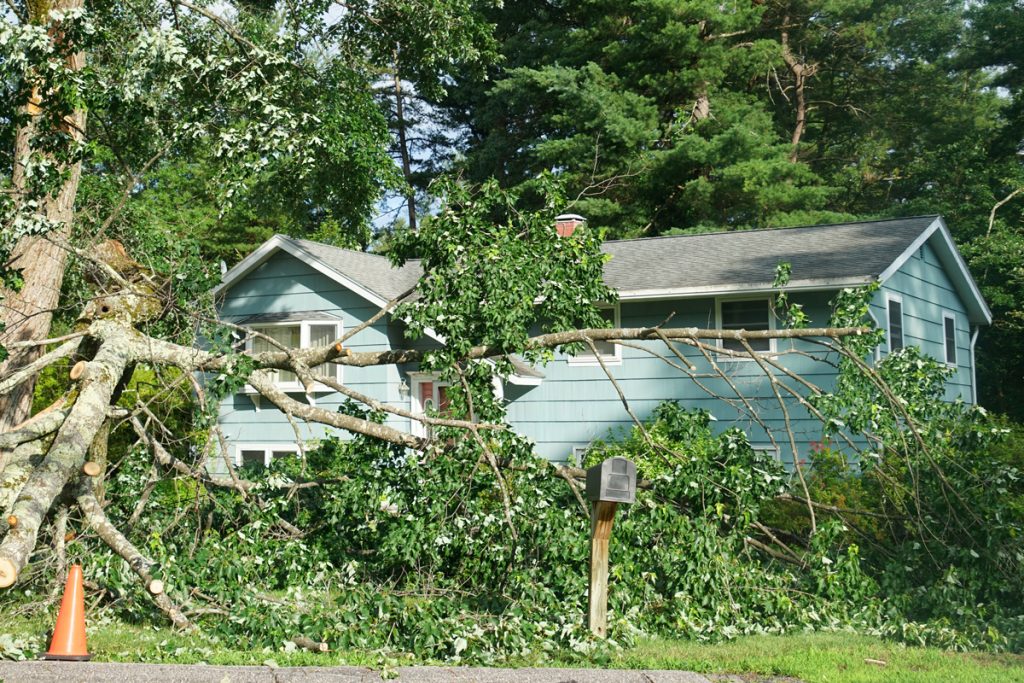

Your home is likely your most expensive asset, and protecting it can be pricey. So, how much does homeowners insurance cost?
The short answer is: It depends.
“The landscape is changing quickly for homeowners insurance,” said Craig Peterson, an agency owner for American Family Insurance in Overland Park, Kansas. “Insurance companies are getting much more sophisticated in their pricing models as they are trying to more accurately match the premium to the risk presented.”
He said the price of homeowners insurance premiums depends on the location, condition and value of the home, the type and amount of coverage, the deductible, the homeowner’s credit, claim history and more.
Unfortunately, insurance doesn’t cover everything. These resources can help you manage those unexpected expenses.
Before we get too far, there are some basics to understand about homeowners coverage that impact the cost of the homeowners insurance policy.
There are three basic types of coverage that determine how much you will receive after a covered disaster.
The cost of the policy also depends on how much you have insured the dwelling for, the liability coverage you have and other factors.
Many people are under insured, and that can lead to problems, especially for people who have the minimum coverage necessary to satisfy a mortgage company.
“A lot of people think, ‘I’m covered. My mortgage company says I’m covered, they don’t require me to do anything further. I don’t want to pay more for insurance.’ But you may not be fully protected,” said Mark Friedlander, director of corporate communications at Insurance Information Institute in New York. “If you have to completely replace the property, you may fall short in terms of what the value of rebuilding that home is today.”
Location is a key to figuring out how much homeowners insurance costs. According to data from Guaranteed Rate Insurance LLC, countrywide premiums increased 19% in 2023, which is a 55% increase since 2019.
The report said the average premium was $1,276 in 2021, then $1,450 in 2022 and $1,723 in 2023.
Premiums vary widely by state, mainly because of underwriting costs, repair costs and laws. Each state also has different requirements for policies, so comparing costs among states isn’t easy.
Population density, construction costs, and areas popular with retirees and vacationers often have higher premiums.
If your area is prone to natural disasters like hurricanes, wildfires, tornadoes or earthquakes, prepare to pay more.
According to Friedlander, Florida is the most volatile home insurance market in the country because of roof replacement claim fraud schemes and an extreme level of litigation filed against property insurers.
When you first reach out about buying a policy, the agent will probably need:
While the amount and type of coverage are the biggest determinants of price, there are many other factors.
The condition of the home is important. Did you maintain it? How old is it? What materials did builders use? What is the condition of the roof?
“Wind and hail seem to be the biggest problems for insurance companies in most states,” Peterson said. “Many companies are limiting coverage on older roofs and/or requiring higher deductibles for wind and hail.”
Insurance companies are looking at the likelihood the homeowner will file a claim, which is the amount of risk the insurer is willing to take to cover you.
The companies often consider:
Location of the home within the city is also important. How close is the nearest fire hydrant for the fire department? How about proximity to a fire or police station?
The neighborhood, claims history and crime rate in the area can also make a difference in rates.
Adding endorsements to cover particular conditions to the policies can also impact rates.
Even if you’re trying to reduce premium costs, make sure you have enough liability coverage, in case someone sues you or you have to pay to replace something expensive. If you don’t have enough coverage, courts can go after your assets — so adding a liability umbrella policy might be a good idea, Peterson said.
“One of the biggest liability claims is dog bites,” he said. “Homeowners insurance and liability coverage would extend to kids and pets.”
Bottom line: the more coverage you have and the more comprehensive it is, the more you will pay in premiums.
Shopping around can save you some money.
“We always recommend when you shop for any type of insurance, get multiple quotes,” Friedlander recommended. “You want to compare apples to apples and make sure you’re looking at the same type of coverage.”
Maybe you’re scrambling after your car broke down. Or you got a medical bill you weren’t expecting. Or inflation has finally pushed your budget over the edge. Take a breath. You don’t need to go it alone.
When money is tight, these resources can help you manage unexpected expenses without stress.
If the premium for your homeowners insurance is too much for your budget, there are ways to lower your rates.
But keep in mind, there is no such thing as a freebie. While doing these things may lower your premiums, they will also probably cost you money in other ways.
A higher deductible or the amount you pay out-of-pocket before your coverage kicks in is one of the easiest ways to lower premiums. Friedlander said raising a deductible from $500 to $1,000 can save you up to 25% on your premium.
“The thing we always tell consumers is if you’re going to raise your deductibles, make sure you have the finances to support that. You have to understand that you’re going to have to pay that money out of pocket if you have claims that don’t reach that level,” he said.
Raising the deductible on your homeowners insurance also means you will need to absorb the costs of some repairs like fixing a broken window or a leaky pipe since it will likely cost less than your deductible.
Some policies also have different deductibles for different perils. For example, hurricane deductibles on a policy in Florida are often a percentage of the total coverage amount while the deductible for something like a fire is often a fixed amount.
You can also change the amount of coverage or type of coverage — but remember what these changes will cost you if you make a claim.
Peterson said making some additions or repairs to your home might also lower premiums. Those additions and repairs can include:
If renovating, plan ahead and use safer materials. For example, cement and steel framing can cost more to build with than wood frame, but cement and steel can be cheaper to insure because of their lack of flammability.
Friedlander said loyalty can also matter. If you have been with the same insurance company for many years, they might offer you a discount. They might also discount your premiums if you bundle your coverage and have your auto insurance and home insurance with the same company.
Another way to save is to be savvy about filing claims. While we have insurance to protect us financially from disasters, filing a claim worth just a few dollars more than your deductible might lead to a rate increase, which could end up costing you more in premiums over time or could result in a non-renewal.
“Your homeowners insurance is not a maintenance plan. It’s for large incidents that are unexpected and you can’t afford or don’t want to pay for out of pocket,” Peterson warned.
Also, don’t file too many claims in a short period of time.
“If you’ve got a clean record and you haven’t filed a claim in X amount of years, they consider you a low-maintenance customer — that’s also a way you might be able to save,” Friedlander said.
Check for discounts through your credit or trade union, employer, association memberships, etc. Your age or marital status may also entitle you to a discount.
Paying off your mortgage can also lower rates since sometimes insurance companies think you’ll take better care of your property if you own it outright.
Peterson also recommended reviewing your existing policy annually.
“That’s a good idea to at least have a review just to make sure that you still have enough coverage for the home or maybe you have too much,” he said, adding insurance companies automatically adjust coverage based on an index and not real life.
“What we find sometimes is if someone hasn’t looked at their policy for say 10 years, we find sometimes that their coverage is too high, and they’re paying for something they don’t really need,” he said.
Inflation is also impacting the cost of insurance. Friedlander said even if you’re trying to lower your premiums, make sure you have enough replacement cost coverage during your periodic review.
“Replacement costs for homes are running double the U.S. Consumer Price Index due to supply chain disruption, higher costs of construction materials, and labor,” he said. “You could face a significant gap in coverage if you sustain a catastrophic loss from a natural disaster or other covered hazard such as a home fire.”
Peterson echoed that thought, saying automatic annual coverage increases are usually based on national or regional averages and something in your area might cause you to be under or over insured.
Friedlander also recommends looking into a flood insurance policy because homeowners policies don’t cover flooding. Only 4% of U.S. homeowners carry flood insurance, but 90% of natural catastrophes involve flooding.
“[Recent flooding events] showed how vulnerable homeowners are to flood losses in coastal and inland states,” he said. “Regardless of where you live, you should consider purchasing flood insurance for adequate financial protection.”
While getting the lowest premium possible for your homeowners insurance sounds like a great idea, experts say it’s important to consider more than just the price.
“When you’re shopping for insurance, make sure you are looking at financially strong carriers that have an A rating,” Friedlander said. “You want to ensure they are financially sound and you know you will be protected for a loss and they have the assets to pay claims. You want to make sure you are being protected by an insurer that has the financial capacity to handle thousands of claims and they are in a position to cover all their policyholders for major loss.”
He also suggested looking for a company that has a record of prompt claims response. You don’t want to have to pay a lot out of your pocket for repairs and living expenses while you wait for the processing of your insurance claim. Find out who handles claims and whether they are licensed adjusters or something like a third-party call center.
Other things to consider:
After a disaster is the wrong time to find out you picked the wrong insurance company.
“Financial security is more important than price. You obviously want to be competitive and you don’t want to overpay, but you certainly want to make sure whatever insurer you choose is financially strong and will protect you when you need them to be there,” Friedlander said.
Listen, we know it’s tough out there. But there’s no shame in asking for help.
These companies make it easy to help yourself and your bank account.
Tiffani Sherman is a Florida-based freelance reporter with more than 25 years of experience writing about finance, health, travel and other topics.
Ready to stop worrying about money?
Get the Penny Hoarder Daily
Some of the links in this post are from our sponsors. We strive to provide accurate, reliable information.
Compensation may influence how and where products appear on our site (including their order), and we do not include all companies or offers.