7
Data Blackout Leaves Fed Guessing Ahead of Rate Decision
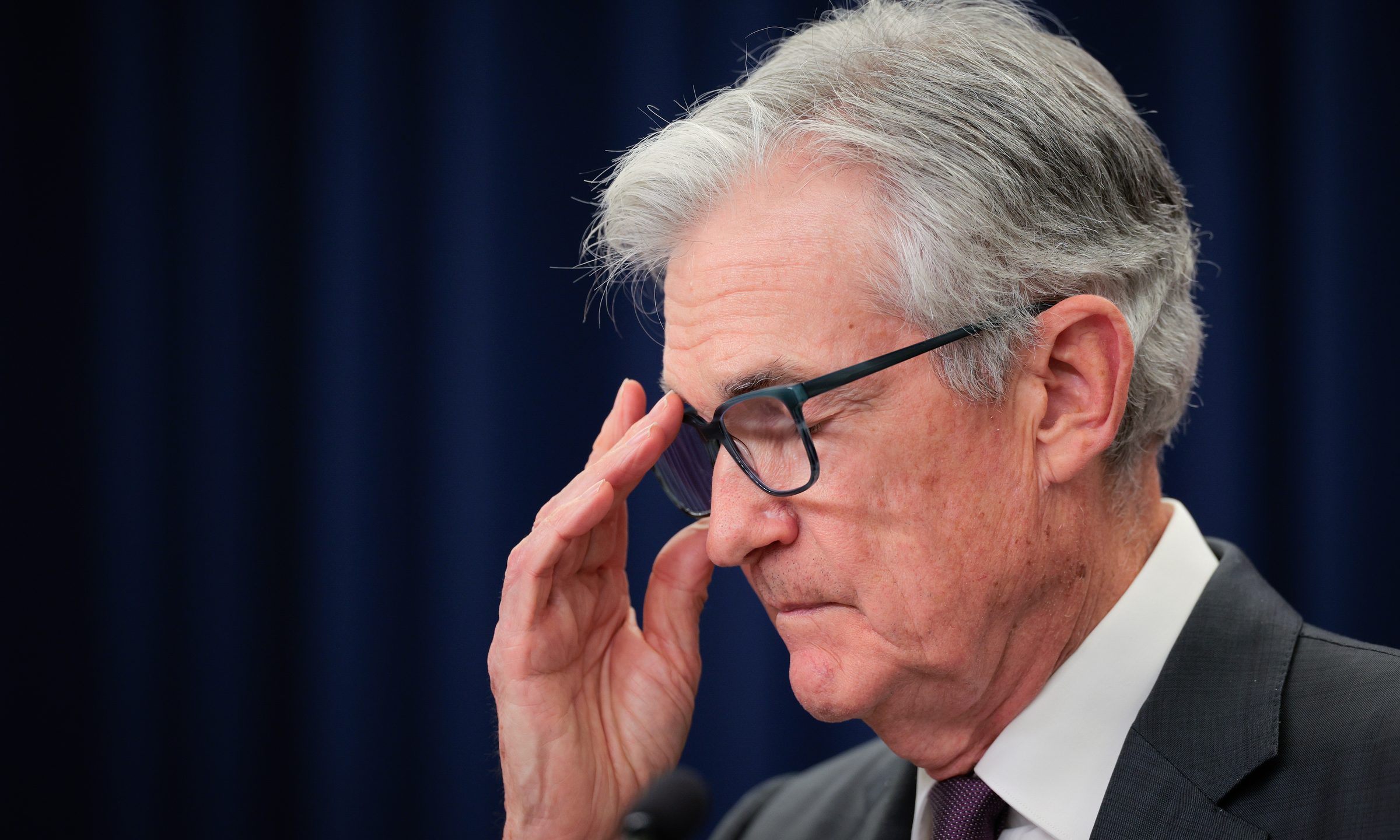
Data Blackout Leaves Fed Guessing Ahead of Rate Decision
The Fed will meet next week despite the shutdown, and is widely expected to cut rates.


What the Fed will be considering
On Oct. 14, Fed Chair Jerome Powell said at an event in Philadelphia hosted by the National Association for Business Economics that the central bank has a “wide variety of public- and private-sector data” available, along with insight from the Reserve Banks nationwide. “Based on the data that we do have, it is fair to say that the outlook for employment and inflation does not appear to have changed much since our September meeting four weeks ago,” Powell said in prepared remarks. “Data available prior to the shutdown, however, show that growth in economic activity may be on a somewhat firmer trajectory than expected.” » Stay informed: Stay informed: Check out NerdWallet's news hub for all the latest. Subscribe to one of NerdWallet's free newsletters. At its last meeting, the FOMC signaled that its cut was more about shielding the job market than fighting inflation. The Fed has a dual mandate of promoting maximum employment and keeping prices stable. But the Fed won’t have most of its usual labor data this time around. The jobs report was not released by the Bureau of Labor Statistics (BLS) on Oct. 3, as scheduled. The same goes for weekly jobless claims reports from the Department of Labor. The most recent labor report the Fed has is the Job Openings and Labor Turnover Summary (JOLTS), which showed data for August and was released by the BLS on Sept. 30, right before the shutdown.Meet MoneyNerd, your weekly news decoder
So much news. So little time. NerdWallet's new weekly newsletter makes sense of the headlines that affect your wallet.So much news. So little time. NerdWallet's new weekly newsletter makes sense of the headlines that affect your wallet.
So much news. So little time. NerdWallet's new weekly newsletter makes sense of the headlines that affect your wallet.
“The labor market has cooled and is potentially still slowing,” Renter says. “But inflation is still elevated and risks rising higher. This puts the two sides of the Fed’s dual mandate in conflict, and they’re left judging which risk is more pressing in the absence of federal economic statistics.” The FOMC may look to a number of private data sources as alternatives, such as the ADP National Employment Report, last released on Oct. 1, for labor data. Private economic indicators can help fill gaps, but they aren’t perfect stand-ins for government reports since they track data differently and don’t cover all of the same ground. Still, they’re what the Fed has to work with. When it comes to inflation, the Fed will have one key dataset to work with: The CPI for September, released Friday (later than scheduled) by the Bureau of Economic Analysis. It showed moderate inflation — 0.3% growth on a monthly basis compared to 0.4% in August. On an annual basis, inflation grew 3%, compared to 2.4% in September 2024. (Photo by Chip Somodevilla/Getty Images News via Getty Images) Explore more on About the author Helhoski Anna Helhoski is a senior writer covering economic news and trends in consumer finance at NerdWallet. She is an on-air contributor and producer of Money News segments for NerdWallet's Smart Money podcast. She is also an authority on student loans. She joined NerdWallet in 2014. Her work has been syndicated in news outlets nationwide including The Associated Press, The New York Times, The Washington Post, The Los Angeles Times and USA Today. She previously covered local news in the New York metro area for the Daily Voice and New York state politics for The Legislative Gazette. She holds a bachelor's degree in journalism from Purchase College, State University of New York. Published in How Is the Economy Doing Right Now? By Anna Helhoski Trump Administration Announces New Global Tariffs By Rick VanderKnyff How Could the DHS Shutdown Affect You? By Anna Helhoski U.S. Adds 57,000 Jobs in June, Well Below Expectations By Anna Helhoski