7
What Suze Orman Says About Living Within Your Means
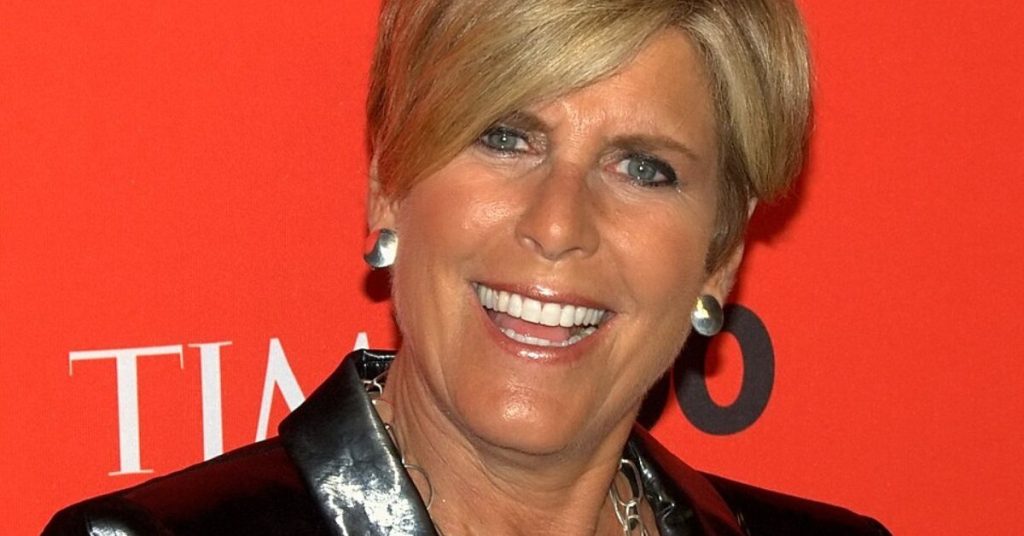

Suze Orman built her reputation by providing honest and practical financial advice. As a bestselling author and personal finance expert, she’s helped millions make smarter money decisions without overcomplicating the process. Here are 15 of her most realistic tips for spending less.
Trimming the budget doesn’t have to mean cutting everything fun. Suze Orman recommends focusing on what you truly value. Skip things that don’t bring lasting satisfaction and keep what does. That way, you’re not depriving yourself; you’re just spending smarter where it counts.
More From The Penny Hoarder: Best Cash Back Rewards Credit Cards to Earn Money While You Spend
One of her biggest rules? Don’t buy stuff you can’t pay off in full that month. It’s not about never using credit cards—it’s about using them like a debit card. Buying only what fits your budget today keeps you in control and out of unnecessary debt.
More From The Penny Hoarder: The Best Rewards Credit Cards to Maximize Your Spending
Before buying non-essential items, Suze Orman advises evaluating the cost based on your budget priorities. For example, ask if an $80 dinner aligns with your financial goals. She says, “Just because you can afford it doesn’t mean you should buy it.” That mindset keeps spending intentional and sustainable.
More From The Penny Hoarder: Our Picks for The Best High-Yield Savings Account for This Month
Big purchases often result from trying to keep up with others. It’s easy to fall into spending habits shaped by comparison. But lasting financial stability usually comes from tuning that out and sticking to what truly works for your budget and your priorities.
More From The Penny Hoarder: Our Picks for The Best Checking Accounts for This Month
Leases may seem convenient but often cost more in the long run. When you buy a dependable used car and keep it for years, you’re building value instead of throwing money away on monthly payments without owning anything.
More From The Penny Hoarder: Get Your Finances Together This Year With One of Our Favorite Budgeting Apps
Suppose your closet is packed with “meh” purchases; those forgotten items might still be worth something. Orman suggests selling those you no longer use and putting the cash toward your emergency fund. You’ll gain space at home and more peace of mind in your budget.
Suze isn’t big on vague budgets. She encourages tracking every single dollar you spend for at least a month. It’s not forever—it’s just to see what’s happening. You might be surprised how much goes to small, forgettable purchases that add up quickly.
The moment you physically hand over cash, it feels different. Suze has long said that spending the cash makes people think twice. It’s not as abstract as tapping a card. So, take out a weekly cash allowance for your extras and see if it changes your habits.
More From The Penny Hoarder: 5 Strategies to Consolidate Your Credit Card Debt
Raises are a perfect chance to strengthen your savings without changing your lifestyle. Let your budget stay where it is and redirect the extra income into something that grows, like a retirement account or emergency fund. The payoff builds quietly, month after month.
More From The Penny Hoarder: Here’s How to Start Saving Money — Even If You Don’t Have Room in Your Budget
Since a short delay can help you avoid unnecessary purchases, Suze suggests waiting 24 hours before buying anything. Giving yourself that window helps separate impulse from intention, often leading to smarter, more frugal decisions.
More From The Penny Hoarder: 100+ Places That Will Give You Free Stuff on Your Birthday
A clearance rack isn’t a deal if it sits unused. Suze urges people to shop with purpose, not impulse. Just because something’s marked down doesn’t make it a smart buy. If it’s not something you needed in the first place, it’s still money poorly spent.
More From The Penny Hoarder: The Best Side Hustles: Our Top Picks to Help You Make More Money
Some think skipping professional advice saves money, but Suze warns against that. Mistakes in estate planning, insurance, or investing large sums are costly. Sometimes, paying for expert help protects you from far bigger expenses later on.
More From The Penny Hoarder: Make-Your-Own-Schedule Jobs You Can Do From Home
Bonuses and refunds disappear fast when spent without a plan. A simple strategy—save part, pay down what you owe, and keep a little for yourself—can further stretch those unexpected dollars. This balance keeps things rewarding without stalling progress.
More From The Penny Hoarder: Is InboxDollars A Legitimate Way To Make Money?
The line between need and want blurs easily, especially when emotions enter the decision. Taking a moment to ask why you’re reaching for your wallet helps reset that boundary. Over time, your choices become increasingly deliberate, and regret shows up less frequently.
More From The Penny Hoarder: Ditch Overpriced Car Insurance Now — Save $500 Today
Suze often talks about the number that lets you sleep better: the savings to feel genuinely secure. For some, that’s a few months of expenses. For others, it’s more. Figuring that out gives you a target and real motivation to save.
More From The Penny Hoarder: These Companies Will Give You Food and Other Products For Free (Yes, Really)
Ready to stop worrying about money?
Get the Penny Hoarder Daily
Some of the links in this post are from our sponsors. We strive to provide accurate, reliable information.
Compensation may influence how and where products appear on our site (including their order), and we do not include all companies or offers.