7
11 Things You Should Buy Now That Might Be in Short Supply Later
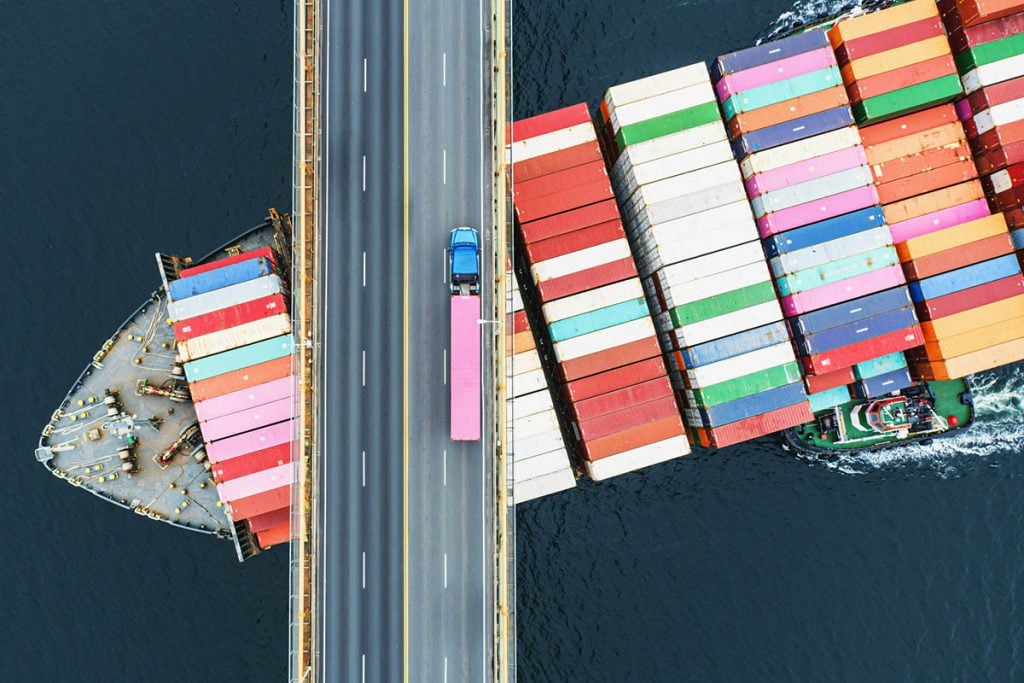

The days of stocking up on masks and disinfecting wipes may have waned, but pandemic-era supply chain issues still linger. Those issues might have eventually resolved, but 2025 has ushered in a new round of challenges. From unpredictable weather to geopolitical issues, speed bumps in the supply chain stand to affect your access to the products you need.
We have the lowdown on the products most likely to be impacted by 2025’s supply chain issues, as well as some tips to help you prepare.
Supply chain shortages can have a serious affect on prices. If you’re having trouble affording everyday items — or worried you soon will — we can help. These are some of our favorite ways to make easy money.
Supply chains rely on a delicate balance of labor, transportation and materials. When any of those factors is disrupted, it can impact things down the line. Here are some of the top elements challenging the supply chain in 2025:
- Extreme weather and climate events: Mother Nature can throw a wrench in the works, leading to transportation delays that keep products from getting where they need to go.
- Geopolitical tensions: Trade conflicts have exacerbated existing supply chain issues, specifically impacting companies that import products and parts from other countries.
- Labor shortages: The U.S. has a shortage of 1.7 million workers, with workforce participation falling below pre-pandemic levels. With a lack of workers to build, harvest and transport products, slowdowns are unavoidable.
- Transportation bottlenecks: Ports across the world face transportation bottlenecks, and the trucking and rail industries are struggling to keep up with demand.
- Rising costs and inflation: While inflation rates have fallen this year, they remain higher than pre-pandemic levels, and that’s bad news for the supply chain. Inflation boosts transportation costs, forcing businesses to rethink the way they get products to consumers.
“Supply chain troubles persist because global logistics are still founded on fragile just-in-time structures,” explains Randall Yates, co-founder and veteran financial advisor for VA Loan Network. “Small delays in raw materials cascade downstream, especially when capacity bottlenecks like port congestion, driver shortages or scarce semiconductor foundries converge with escalating demand.”
From grocery stores to drugstores, every retailer could see empty shelves this year. Based on current trends, here are some of the top products you should consider stockpiling.
6 Foods Affected by Supply Chain Shortages
Agriculture serves as the foundation for the grocery supply in this country. Everything from weather-related crop damage to the packaging housing your favorite foods can impact your grocery store visit. Here are some of the top six foods most likely to see supply chain-related shortages in 2025
Aluminum shortages have impacted the canned goods market, and those shortages are complicated by weather-related crop failures.
The war in Ukraine has had a negative impact on grain production, leading to concerns about potential shortages and rising prices.
Both Brazil and Columbia have seen weather disruptions, leading to shortages and spikes in coffee prices around the world.
The infant formula industry recovered from 2022 shortages, but things still hang by a thread. A lack of manufacturers and strict regulations can easily catapult the industry into another crisis.
In addition to weather-related crop damage, processing plants are dealing with staffing shortages and rising energy costs, affecting frozen goods.
It can be tough to imagine life without butter and cheese, but high feed prices and veterinary labor shortages have reduced the amount of dairy products being produced.
6 Personal and Household Products You Should Stock Up On
Once you’ve stocked your pantry, it’s time to buy some products for your bathroom closet. Here are some basic items that might be in short supply this year.
Yes, toilet paper shortages may be making another appearance this year. Tariffs on pulp, which is used to make toilet paper, may have consumers once again battling to find their favorite bathroom tissue.
Supply chain issues may hit laundry detergent in two different ways -– both the chemical surfactants used as cleaning agents and the packaging could be affected by tariffs.
Believe it or not, deodorant contains aluminum, which is currently experiencing shortages. Like laundry detergent, deodorant may also be hit by packaging tariffs.
Tampons and pads utilize cotton, which has been affected by climate issues and shipping constraints. Extreme weather has also disrupted the production of the super-absorbent polymers used in these products.
Keeping your pearly whites clean could become challenging this year. Calcium carbonate and sorbitol, both used in toothpaste, are currently seeing shortages.
You may also find it tough to keep your dishes clean, thanks to shortages in internationally sourced ingredients like surfactants and preservatives.
Other Products Affected by Supply Chain Shortages
Supply chain issues aren’t limited to food and hygiene. Here are some other products you might want to stock up on as 2025 progresses.
Head to the hardware store and pick up a value pack of batteries to add to your stash. Demand for materials like lithium has increased in recent years, due in part to the growing popularity of electric vehicles, and suppliers are having a tough time keeping up.
As you’re stocking up, don’t forget your furry family members. Pet food uses a variety of ingredients that are sourced from overseas.
Moving beyond the grocery aisle, a few other items might see supply chain shortages this year. Here are some other things to consider stockpiling:
- Prescription medications: The American Society of Health-System Pharmacists (AHSP) maintains a database of prescription medication shortages. If you rely on medication, keep an eye on that page and ensure you have sufficient supply on hand.
- Cold and flu medications: This year’s cold and flu season could be tougher than usual, thanks to ingredients that come from overseas manufacturers. Grab some extra acetaminophen, ibuprofen and cough syrups now so you’ll have them this winter.
“One additional thought is for consumers to consider the shelf lives of their stockpiled items, to ensure that they remain usable and fresh,” advises Aaron Razon, personal finance expert at Couponsnake. “They should rotate their stockpiled items regularly, making sure that the first items to come in are the first ones to go out. This way, they will be able to maintain a fresh and usable stockpile.”
Product shortages can cause serious stress, but stocking up in advance can offer some peace of mind. A little extra preparation now can help you avoid panic buying later. Choose items with long shelf lives and regularly check their expiration dates to make sure everything is still in good shape. Supply chain disruptions can happen at any time, so if you have the storage space, it can’t hurt to have some extra products on hand.
Stephanie Faris is a professional finance writer with more than a decade of experience. Her work has been featured on a variety of top finance sites, including Money Under 30, GoBankingRates, Retirable, Sapling and Sifter.
Ready to stop worrying about money?
Get the Penny Hoarder Daily
Some of the links in this post are from our sponsors. We strive to provide accurate, reliable information.
Compensation may influence how and where products appear on our site (including their order), and we do not include all companies or offers.